
Stadium Food and Atmosphere: An MLS Guide
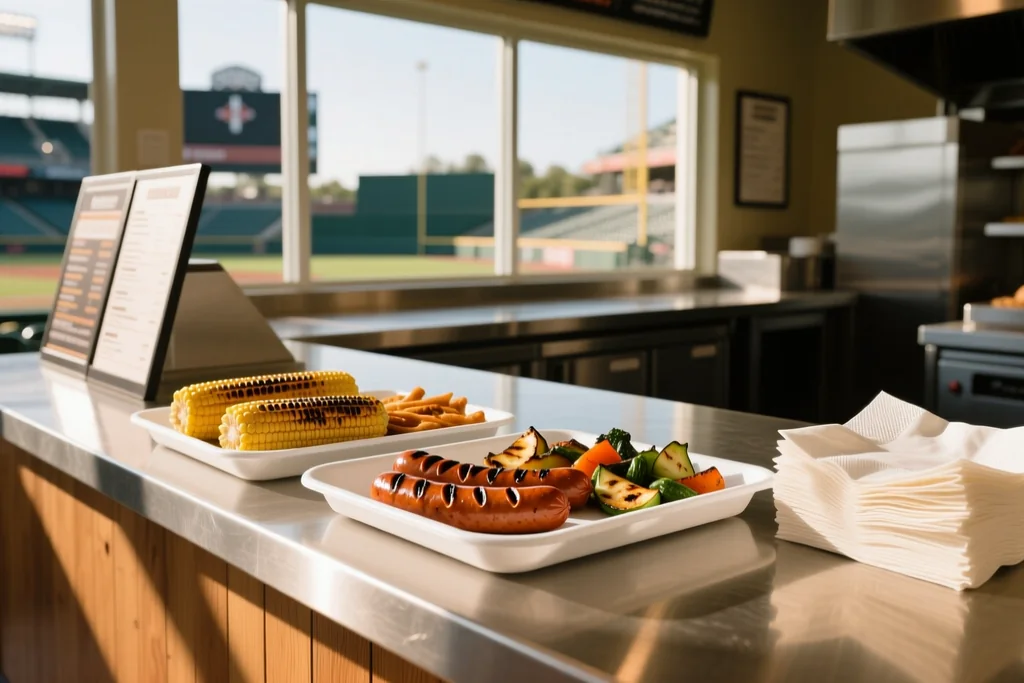
Stadium food in MLS is better than its reputation and worse than its best reviews, and the difference is almost entirely about knowing where to walk. The strongest regional menus sit in specific concourses, while the generic stands sell the same hot dogs and nachos in every city.
Here is what to expect from a modern American soccer ground, how to plan around the weather and the crowd, and why the atmosphere varies so much between one section and the next.
Regional food is the real draw
Clubs increasingly treat concessions as a local statement rather than a franchise contract. That means barbecue in the south, seafood on the coasts, and variations on the taco, the sandwich and the sausage that reflect the city rather than the league.
The pattern is consistent. The most interesting stands are usually the independent ones on the outer concourses, and they often have the longest queues. Getting there early is worth more than choosing well.
Prices are stadium prices everywhere, and in newer grounds they are comparable to any major sport. Portions are large, which is why many regulars eat before arriving and buy only a drink inside.
Weather changes the whole evening
An American soccer season runs through summer heat and autumn rain, and both change how a matchday feels. July kickoffs in a southern city are genuinely demanding, and hydration matters more than comfort.
Where a stadium has a partial roof, most seats stay dry in light rain, and the atmosphere improves rather than deteriorates. Where there is no roof at all, a wet evening empties the outer rows quickly and concentrates the crowd under cover.
Cold-weather matches in the north have their own character. Crowds are smaller, clothing is heavier, and the loudest sections are usually the ones that planned for the temperature in advance.

Where the atmosphere actually comes from
| Factor | Effect on the ground | Where to sit |
|---|---|---|
| Organised supporters section | Continuous noise, visible displays | Adjacent, not inside |
| Full capacity | Every goal audible across the bowl | Anywhere |
| Steep tiers | Sound stays in the stadium | Side stands |
| Multi-purpose bowl | Noise depends on crowd size | Lower tier, sides |
| Roof over most seats | Atmosphere survives bad weather | Under cover |
The single biggest variable is the organised section. A full supporters stand transforms a quiet game into a loud one, and sitting adjacent to it rather than inside it gives the best of both worlds.
Planning the evening around the crowd
- Eat before kickoff or on the outer concourse, not in the interval.
- Buy water early in hot weather; queues grow quickly.
- Check the weather forecast and dress for the stand, not the day.
- Arrive ninety minutes early for the warm-ups and the section build.
- Stay for a few minutes after full time rather than joining the exit rush.
Those choices decide more about the experience than the seat category does. Supporters who plan around the crowd usually enjoy a matchday considerably more than those who arrive to a queue.
Prices, portions and the smart approach
Food inside a stadium costs more than the same meal outside it, and that is true in every sport in the country. The value is better than it used to be, because clubs now compete with each other on the quality of their concessions.
The efficient approach is to eat properly before the match and buy only drinks and a snack inside. Anyone who wants the full stadium menu should start with the outer concourse and work inward.
Supporter culture off the pitch
Much of the atmosphere around an American soccer match happens before the gates open. Tailgates, supporters bars and the walk to the ground are all part of the ritual, and they explain why people arrive hours early.
That culture is organised in the same way as everything else in the stands. The groups who run the displays and banners are also the people who choose where to gather, and their meeting points become the natural gathering places for everyone else.
The honest summary
A modern MLS matchday offers good food, a full stadium and a genuinely loud organised section, provided you pick the right fixture and arrive early enough to enjoy it.
The mistakes are predictable: arriving at kickoff, eating at the busiest stand, and sitting somewhere that does not match what you actually wanted from the evening. Avoid those three and the rest tends to look after itself.
What makes a matchday worth repeating
The food is a detail and the atmosphere is the product. Both depend on the same decision, which is where you choose to be in the ground and how early you get there.
Pair the section choice with a sensible plan from the matchday routine and a seat picked from the stadium guide, and a first visit becomes a repeat habit rather than a one-off.
Read next
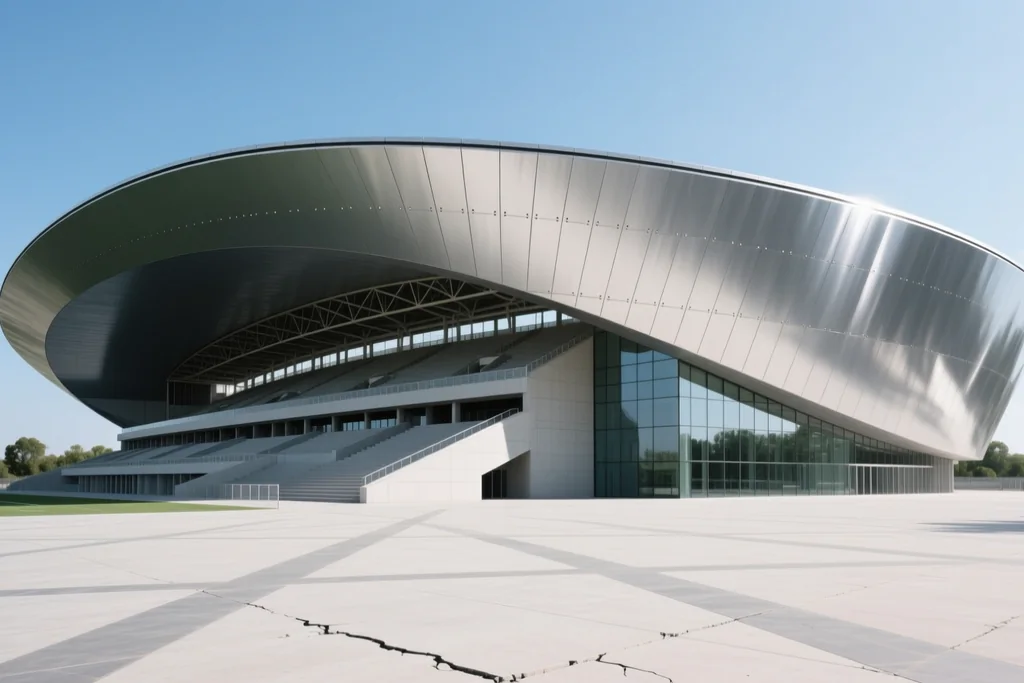
MLS Stadiums: A Matchday Guide to the Grounds
Not every MLS ground is a soccer stadium, and the difference shows up in sightlines, noise and how long it takes to get out of the car park afterwards.
2026-09-23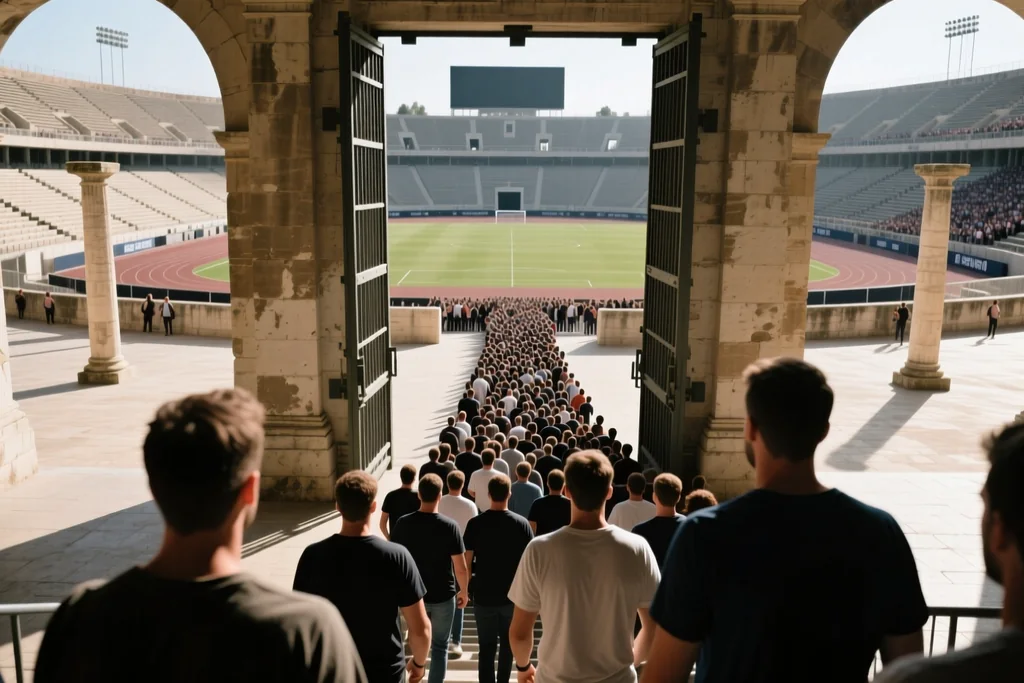
Matchday in MLS: How an American Gameday Runs
An MLS matchday starts hours before kickoff in the car park and ends with a long walk back to it. Here is the sequence, hour by hour.
2026-09-17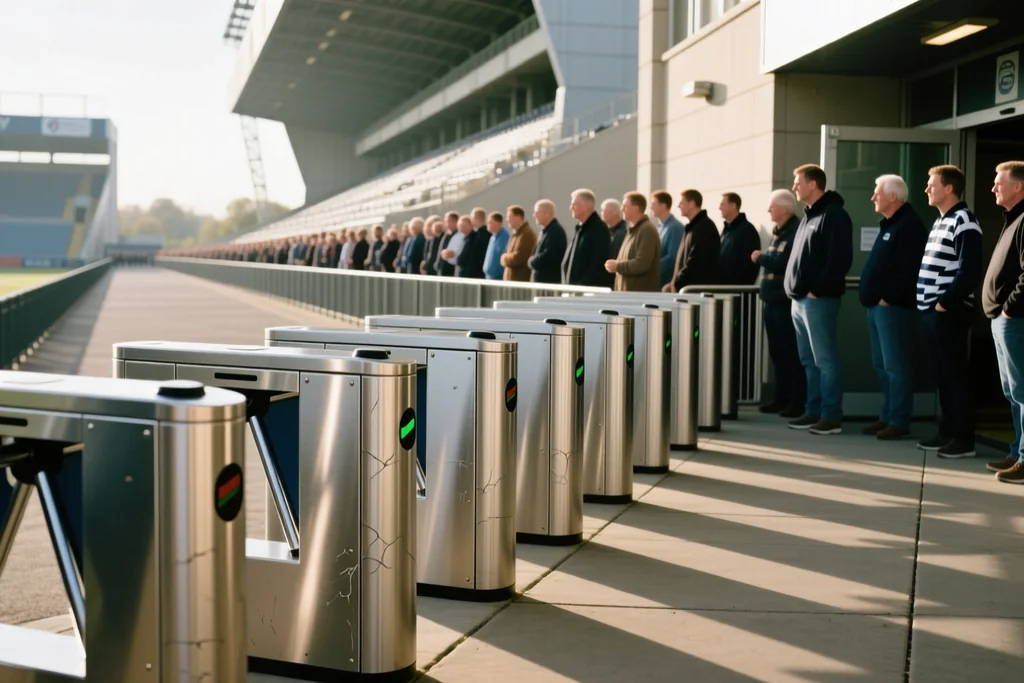
MLS Tickets and Attendance: How to Plan a Trip
Ticket prices in MLS follow the playoff race. Buying early for a September fixture is not always cheaper than waiting, but it is always safer.
2026-09-11