
MLS Stadiums: A Matchday Guide to the Grounds
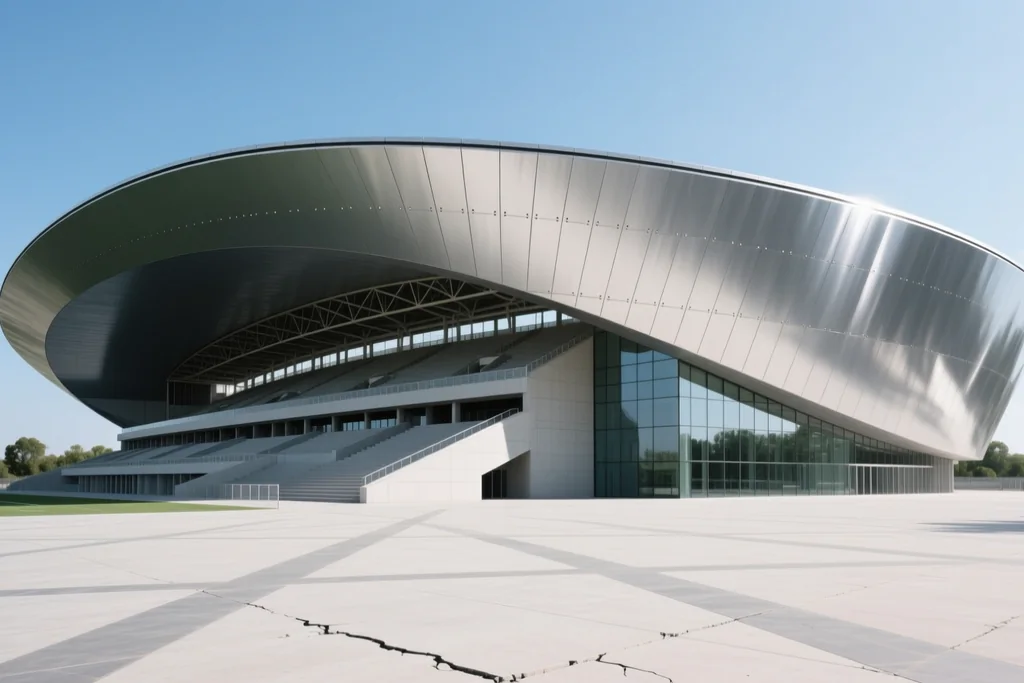
Not every stadium in MLS was built for soccer, and the difference shows the moment you walk in. Some grounds are purpose-built with steep tiers and four sides close to the pitch; others are large venues shared with gridiron teams, with wider sightlines and a different atmosphere entirely.
Knowing which kind of ground you are visiting changes what you should expect from the view, the noise and the journey home. Here is a practical guide to the types of stadium in the league.
Soccer-specific grounds
A soccer-specific stadium is built with the pitch as the centre of the design. Tiers rise steeply from near the touchline, corners are often filled or closed, and the acoustic effect is a much louder stadium per seat.
These grounds are usually smaller, with capacities that would be modest in Europe but feel full. Many have covered stands rather than a closed roof, which protects the majority of spectators without creating the enclosed atmosphere of an arena.
The trade-off is scale. A smaller stadium sells out more often and produces better atmosphere, but it also means scarcer tickets and less room for neutral visitors on a big matchday.
Shared and multi-purpose venues
Several clubs play in venues designed primarily for gridiron. These are large, well-served by transport and facilities, and they can host crowds that no soccer-specific ground in the country could accommodate.
The compromise is distance. Pitches are often pushed to one end of a bigger field, leaving one side of the ground far from the action, and the upper tiers can feel remote from the match.
Atmosphere depends heavily on how many seats are sold. A shared venue at two-thirds capacity can feel quieter than a tight, full stadium half its size, which is why clubs in these grounds often close off upper sections to concentrate the crowd.

What to check before you go
| Ground type | Sightlines | Atmosphere and logistics |
|---|---|---|
| Soccer-specific, steep | Close to the pitch throughout | Loud, tickets harder to find |
| Soccer-specific, single tier | Good, more shallow | Even atmosphere, quick to exit |
| Shared multi-purpose | One side distant from the pitch | Loud only when full, more parking |
| Downtown urban ground | Varies with the stand | Excellent transit, no tailgating |
| Suburban campus ground | Consistent, wider concourses | Tailgate culture, car dependent |
The urban and suburban distinction matters more than most visitors expect. A downtown stadium is reached by train and has nowhere to park; a suburban campus has acres of parking and very little public transport.
Practical matchday considerations
- Check which side of a shared ground the pitch sits on before buying.
- Avoid upper tiers behind the goal in multi-purpose venues.
- Look for covered stands if the forecast is poor.
- Plan the exit: a full downtown ground clears far more slowly.
- Buy in the supporters section only if you intend to stand.
Those five checks cover the majority of complaints from first-time visitors, and all of them are visible on a seating map before purchase.
Roofs, weather and the time of year
American weather varies more between venues than it does between European leagues. A match in a southern city in July is a different physical experience from one in the north in October, and stadium design reflects that.
Roofs are often partial, covering the majority of seats rather than the pitch, which protects supporters while leaving the playing surface open. Where there is no roof at all, afternoon kickoffs in summer are genuinely punishing.
Getting to the ground
Downtown venues rely on rail and walk-up traffic, and they handle it well. Suburban grounds depend on cars, and the car park becomes the slowest part of the day on the way out.
Leaving ten minutes before the final whistle is a common compromise and a bad one. The best approach on a suburban campus is usually to stay for a while, wait for the traffic to clear and leave calmly.
Accessibility and facilities
Newer grounds have been designed with accessibility in mind from the start, and the provision is generally strong. Older multi-purpose venues vary considerably, and it is worth checking the specific section rather than the stadium as a whole.
Food, water and restrooms are distributed reasonably evenly in modern builds. In shared venues the concourse can be long, so the nearest facility to your seat is worth identifying on the way in rather than at half time.
Getting the most out of any ground
Arrive early, walk a full circuit of the concourse, and watch part of the warm-up from a different angle than your seat. Most stadiums look completely different from the opposite stand.
The best atmosphere in any ground sits in the section that organises itself, which is a separate decision from the best view. The matchday routine and the supporter culture guide explain how to find that part of the stadium and what to expect once you are in it.
Read next
Matchday in MLS: How an American Gameday Runs
An MLS matchday starts hours before kickoff in the car park and ends with a long walk back to it. Here is the sequence, hour by hour.
2026-09-17
MLS Tickets and Attendance: How to Plan a Trip
Ticket prices in MLS follow the playoff race. Buying early for a September fixture is not always cheaper than waiting, but it is always safer.
2026-09-11
Stadium Food and Atmosphere: An MLS Guide
The best stadium food in MLS is regional and the worst is the same everywhere. Knowing which concourse to walk to is half the matchday experience.
2026-08-29