
Matchday in MLS: How an American Gameday Runs
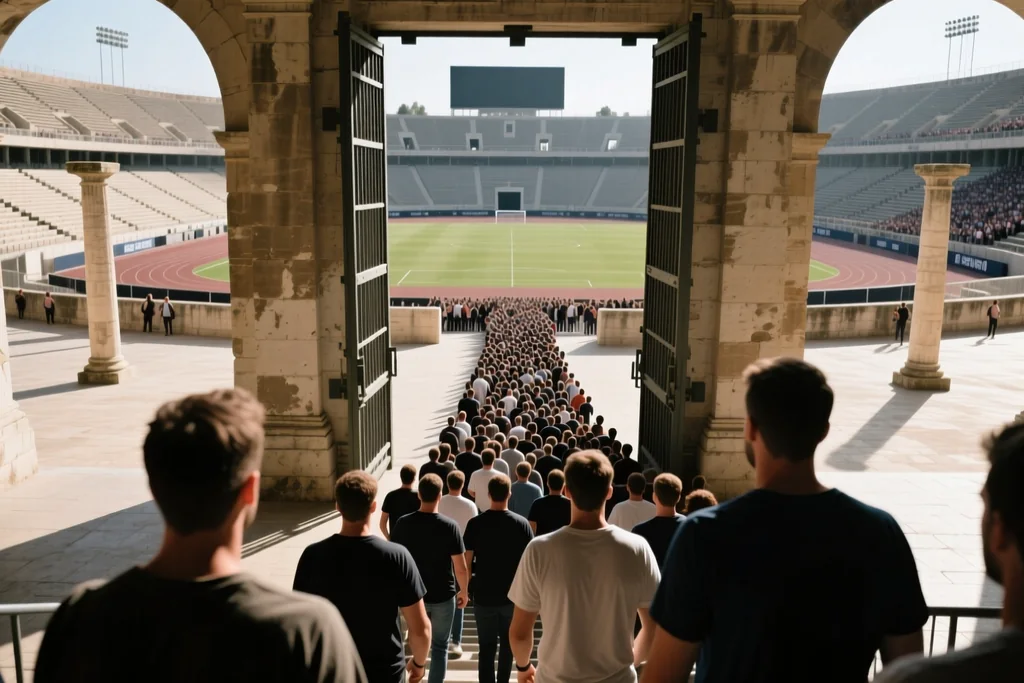
An American soccer matchday is longer than the match itself, and deliberately so. The stadium opens early, the area around it fills hours before kickoff, and the sequence from arrival to final whistle follows a rhythm that regular attendees know by heart.
Here is how a gameday actually runs at professional level, from the first supporters arriving to the last of the traffic clearing.
Three hours out: the car park and the walk-up
At suburban grounds the car park opens several hours before kickoff and fills gradually. Grills, folding chairs and club-coloured tents appear, and the tailgate becomes the social centre of the day for a large share of the crowd.
At downtown grounds the equivalent happens in bars and on the walk to the stadium. Supporters gather in a handful of venues within walking distance, and those places are loud well before anyone has bought a ticket.
Either way, the atmosphere begins away from the pitch. The first noise of the day usually comes from a supporters bar or a car park rather than from inside the ground.
Ninety minutes out: gates, warm-ups and the section filling
Gates typically open around ninety minutes before kickoff. Supporters heading for the organised sections arrive at this point, because banners need to be hung, drums set up and the front rows occupied.
On the pitch, the goalkeepers come out first, followed by the rest of the squads for a structured warm-up. The routine is identical across the league and takes around thirty minutes, ending with shooting drills that produce the day first big reaction from the stands.
The teams then return to the changing rooms for a final briefing. That gap is when the stadium fills properly, and when the supporters section starts working through its song list.
The matchday timeline
| Time before kickoff | What happens | Who is in the ground |
|---|---|---|
| Three hours | Car parks and bars fill, tailgates start | Almost nobody |
| Ninety minutes | Gates open, supporters sections arrive | Early arrivals, banner crews |
| Forty minutes | Goalkeeper warm-ups begin | Roughly half full |
| Twenty minutes | Full squad warm-ups, shooting drills | Most seats taken |
| Five minutes | Teams return, anthems and lineups | Full stands |
| Ninety-plus minutes | Match, half time, stoppage time | Full stands |
Half time runs to a fixed clock in American stadiums rather than the flexible interval common elsewhere, which keeps the evening moving and makes the walk to a concession stand a calculated risk.
Getting home without a wasted evening
- Check the last train time before kickoff, not afterwards.
- Use a designated meeting point instead of relying on phones.
- Expect the car park to take thirty to sixty minutes to clear.
- Downtown venues should be walked, not driven, from the centre.
- Stoppage time is long in this league, so plan for a delayed finish.
The post-match period is the part newcomers underestimate. Stadium exits, traffic and transit queues take longer than the match itself in some cases, and the supporters who arrive with a plan are the ones who get home without an argument.
Halftime and the food rush
Half time produces the shortest queue-free window of the entire evening, and the busiest twenty minutes at every concession stand. Anyone intending to eat usually buys before kickoff rather than in the interval.
Clubs know this and stagger the offerings. A handful of stands stay open through the second half, and they are noticeably quieter than the ones that close at the whistle.
The final twenty minutes in the stands
The last part of the match changes the noise level in a way that is easy to feel. Supporters stand for long stretches, the songs get shorter and louder, and the sections behind the goal become the loudest part of the stadium.
Added time is displayed on the board and usually signals a long period rather than a short one. Regular attendees stop guessing and simply stay to the final whistle, because late goals are a weekly occurrence in this league.
Why the routine matters
Every one of the steps above is repeated week after week, which is exactly why it works. A predictable rhythm lets newcomers join in almost immediately, and it lets the organised sections focus on the noise rather than the logistics.
That is the practical difference between a good matchday and a great one. The football is the reason people come, but the sequence around it is what brings them back a fortnight later.
What to do on a first visit
Arrive early, walk the concourse, and find your seat before the warm-ups finish. Then stay after the final whistle for a few minutes to let the exits clear rather than joining the first rush.
A first matchday is best treated as a full evening rather than a ninety-minute event, and the practical preparation is covered in the ticket and travel guide and the stadium guide.
Read next
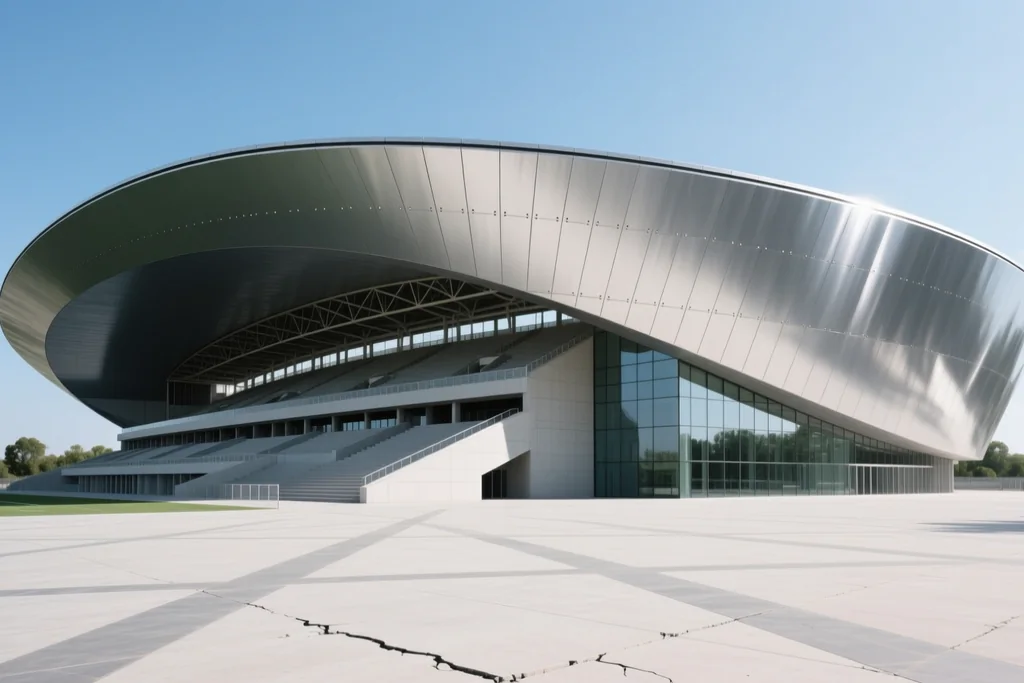
MLS Stadiums: A Matchday Guide to the Grounds
Not every MLS ground is a soccer stadium, and the difference shows up in sightlines, noise and how long it takes to get out of the car park afterwards.
2026-09-23
MLS Tickets and Attendance: How to Plan a Trip
Ticket prices in MLS follow the playoff race. Buying early for a September fixture is not always cheaper than waiting, but it is always safer.
2026-09-11
Stadium Food and Atmosphere: An MLS Guide
The best stadium food in MLS is regional and the worst is the same everywhere. Knowing which concourse to walk to is half the matchday experience.
2026-08-29