
MLS Tickets and Attendance: How to Plan a Trip
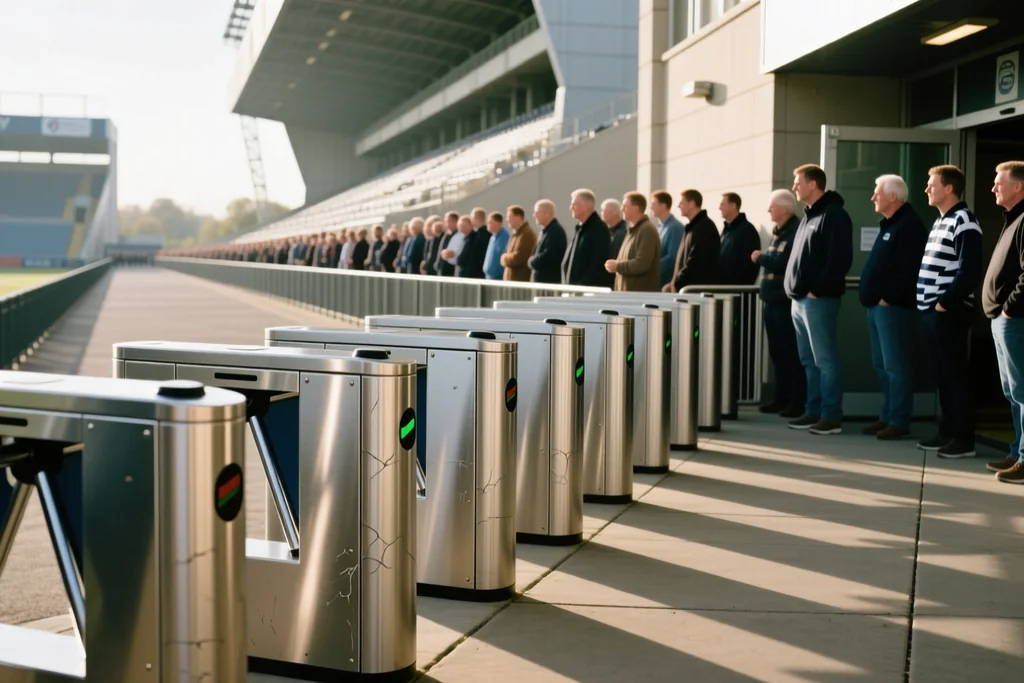
Ticket prices in MLS move with the season, and the biggest single influence is the playoff race. A September fixture between two clubs fighting for the last qualifying place will cost far more than the same match in May, even though the stadium and the view are identical.
Planning around that rhythm is the difference between an affordable trip and an expensive one. Here is how demand behaves, where the cheapest seats actually are, and how to build a visit around a single fixture.
How demand moves through a season
Early-season fixtures are the easiest to buy and the cheapest. Attendance builds through the summer, and demand spikes for the final month once the playoff picture becomes clear and the weather improves.
Rivalry matches and any fixture involving a visiting team with a large travelling support break the pattern entirely. Those matches sell out months ahead and rarely appear on resale at anything close to face value.
Postseason tickets are the extreme case. Where a club expects a bracket run, playoff strips are sold to season ticket holders before the public sees them, and single-match availability depends entirely on how the seeding falls.
Where the cheap seats are, and what they cost you
The least expensive tickets are usually in the upper tiers behind the goal and in the corners. They offer a full view of the pitch and the best sense of the shape of the game, but the players are small and the atmosphere is thinner.
Midfield seats lower down cost more and sell faster. The best compromise for a first visit is usually one tier up from the sideline, close to the halfway line, where the view is complete and the price has not yet reached the premium bracket.
Supporters sections are often priced in the middle rather than at the top. That is deliberate policy: clubs want those seats full, and they price them to keep the loudest part of the ground occupied every week.
Building a trip around one fixture
| Step | Timing | What can go wrong |
|---|---|---|
| Confirm the kickoff time | Three to four weeks out | Times move for broadcast |
| Buy the ticket first | Once the date is fixed | Travelling to a sold-out ground |
| Book accommodation | Same week as the ticket | Price spikes near the stadium |
| Arrange transport | Two weeks out | No transit after late kickoffs |
| Plan the arrival window | Final week | Queues at the gates |
Buying the ticket before the travel is the single most important step. Everything else can be adjusted, and a fixture that sells out leaves no room to adapt.
Getting value for money
- Midweek fixtures are cheaper and less crowded than weekend matches.
- Early-season matches offer the same stadium at lower prices.
- Family and group sections reduce the per-person cost.
- Standing or rail-seat areas are often the best value in the ground.
- Season ticket resale platforms list single seats close to face value.
Those five routes cover almost every way to see a match for less. The most reliable is simply choosing a fixture that matters less to the home crowd than the ones around it.
Group travel and away allocations
Travelling support in this league is organised through supporter groups rather than through the club box office. A group typically requests an allocation, collects payment and distributes tickets on the coach or at a meeting point.
Away allocations are usually small and located in a dedicated section. The atmosphere is different from a home match, and supporters who travel regularly describe it as the best part of following a club.
What to check on a seating map
Rows matter more than people expect. The first few rows of a lower tier are close to the pitch but offer a shallow view of the far side, and a row halfway up the same stand is frequently the better seat.
Angle matters too. A corner seat at a soccer-specific ground is far better than a corner seat at a multi-purpose venue, where the pitch can be set well away from one end of the bowl.
The simplest advice
Pick a midweek fixture, buy early, sit one tier up near the halfway line, and arrive ninety minutes before kickoff. That combination produces a good view, a reasonable price and a full sense of the matchday.
Then decide what you want from the next visit. Most supporters who start that way end up in a different section entirely, and that is usually the sign that the trip was a success.
Attendance and what it tells you
Crowd sizes in the league have grown steadily, and the clubs with soccer-specific stadiums now sell out routinely. Attendance figures also reveal how a market is developing, since a club drawing consistently near capacity is usually one with a settled supporter base.
For a visitor, the practical point is simpler. The best atmosphere is found where the ground is full, and the supporters section is the organised part of the crowd rather than simply the loudest. The matchday guide explains when to arrive to see it at its best.
Read next
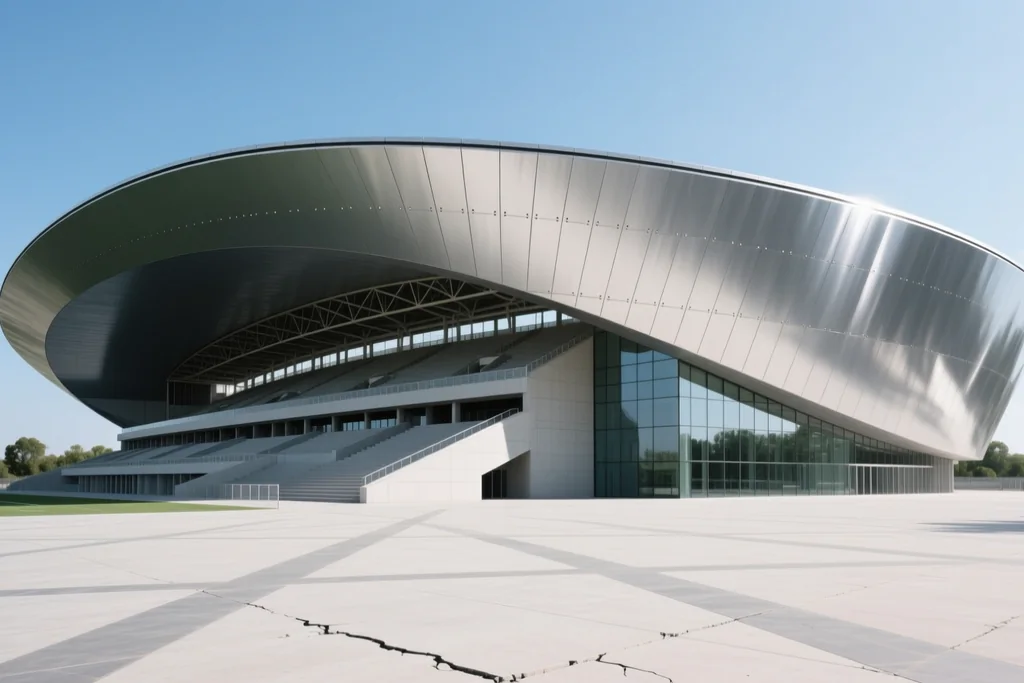
MLS Stadiums: A Matchday Guide to the Grounds
Not every MLS ground is a soccer stadium, and the difference shows up in sightlines, noise and how long it takes to get out of the car park afterwards.
2026-09-23
Matchday in MLS: How an American Gameday Runs
An MLS matchday starts hours before kickoff in the car park and ends with a long walk back to it. Here is the sequence, hour by hour.
2026-09-17
Stadium Food and Atmosphere: An MLS Guide
The best stadium food in MLS is regional and the worst is the same everywhere. Knowing which concourse to walk to is half the matchday experience.
2026-08-29