
USMNT Defense: Depth, Call-Ups and Rotation
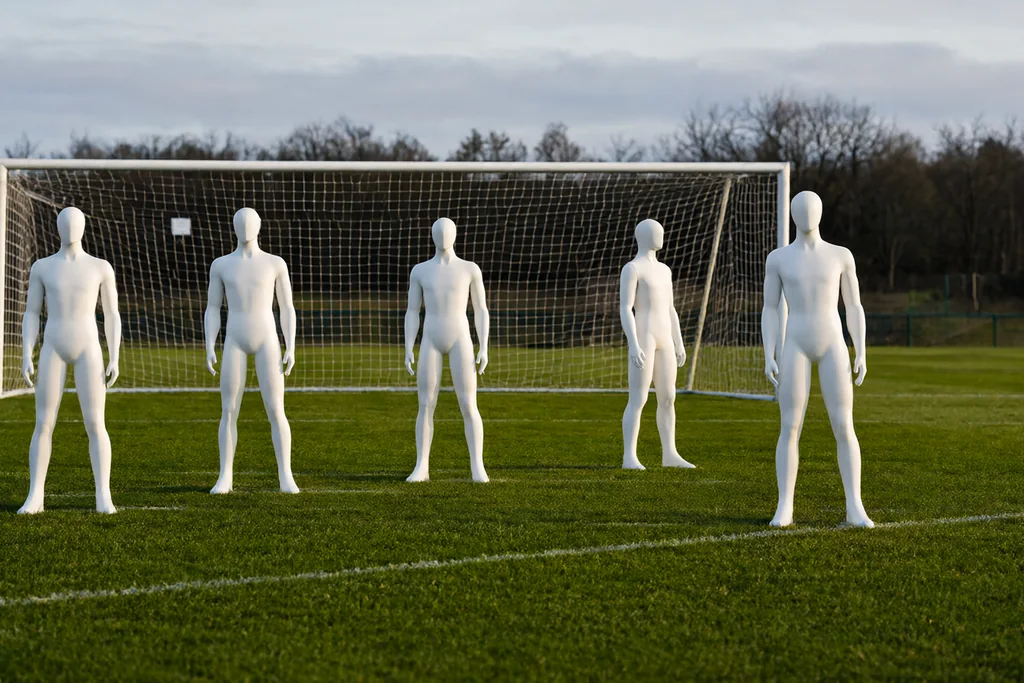
Defensive depth is the least discussed part of a national team and the first place a long tournament is lost. Nobody buys a shirt with a fourth centre-back on the back, but that fourth centre-back is the reason a squad survives a group stage.
Here is how the USMNT builds defensive depth at senior level, what the staff look for in each role, and how the call-ups shift as form and fitness change through a season.
The centre-back pairing problem
Most national teams are built on a settled pair with a clear division of labour: one aggressive defender who steps out and one who covers behind. Finding that complement matters more than finding the two best individual defenders.
Because pairs are built, not picked, a single injury can change the profile of the whole back line. The replacement is often chosen for what he allows his partner to do rather than for his own form.
Full-backs define the shape
Wide defenders decide whether a team plays with a back four that overlaps or one that stays home. In the international game, a full-back who can defend one against one is worth more than one who only delivers crosses.
The trend is towards defenders who can step into midfield in possession. That versatility lets a coach change the shape of the build-up without a substitution.
Defensive roles and their demands
| Role | Core demand | Selection signal |
|---|---|---|
| Aggressive centre-back | Win the first contact, step into midfield | Duels won, no reckless fouls |
| Covering centre-back | Read danger, defend space behind | Interceptions, low error rate |
| Attacking right-back | Overlap and recover, run the channel | High-speed running, one v one defending |
| Defensive left-back | Balance the shape, tuck in as a third centre-back | Positional discipline, aerial cover |
| Wing-back | Hold an entire flank alone for ninety minutes | Repeat sprints late in matches |
The table also shows why a coach may call up a fourth centre-back who never plays. Depth in defence is insurance, and insurance is bought before it is needed.
Why defensive call-ups rotate less than people expect
- Understanding of the offside line only comes from playing together.
- Communication between centre-backs cannot be rehearsed in two training days.
- Errors in defence cost goals directly, so coaches protect combinations.
- Set-piece marking assignments are pair-based and take repetition to learn.
- Injury or suspension is usually the trigger for change, not form.
What a debutant defender must show
A new defender wins a second call-up by being unremarkable. Coaches want a player who holds the line, clears when clearing is the right answer, and does not need to be covered by his partner.
Composure on the ball is a bonus, but composure under a long ball in the last ten minutes is the requirement. That is what makes the game model work defensively.
Training a back line in three days
A back four that has never played together cannot be built in a window, so national coaches teach principles instead of partnerships. Hold the line, defend the ball side, and let the holder decide when to step.
Those rules survive substitutions, which matters more than fluency. A defending block that keeps its shape with a makeshift centre-back is worth more than an elegant one that collapses when the first choice goes off.
It is also why defensive drills dominate the tactical sessions in a short camp. Attackers can improvise, but a back line has to be told exactly where to stand.
Full-back rotation and why it looks random
Wide defenders rotate more than any other position in the national game, and the reasons are physical before they are tactical. Full-back is the highest-distance role on the pitch, and two matches in four days rarely permit the same player to start both.
The replacement is usually chosen for the opponent. Against a team that attacks down one flank, the more defensive option starts; against a low block, the better crosser does.
That logic explains selections that look strange on paper. The staff are not ranking defenders, they are matching profiles to a specific ninety minutes, and the second match of a window is planned at the same time as the first.
The takeaway
Defensive depth is built in twos and tested in the second match of a window. Form matters less here than understanding, which is why a back line can look settled for years and then change completely in one camp.
Watch the pairs, not the individuals. When the combinations hold, everything in front of them becomes easier.
How depth is tested inside a window
The second match of a window is where defensive depth is genuinely examined. Rotation there is deliberate, and it is the only reliable way to see how a backup pair copes without the first-choice partners.
Read the roster for how many defenders were taken, then read the venue for what the pitch and the crowd will ask of them. Together those two details usually explain the selection long before kickoff.
Read next
USMNT Roster: How a National Team Window Is Built
A national team roster is settled in the last ten days, not the first. Form, minutes, depth and one fitness check decide the final seats on the plane.
2026-09-27
USMNT Schedule: How the 2026 Windows Fit Together
Two matches in four days, several time zones apart, is the normal shape of an international window. Here is how the USMNT calendar is put together.
2026-09-21
USMNT Midfield: The Roles Behind the Roster
The roster sheet says midfielder. The job description says something far more specific, and the difference decides who starts in a knockout match.
2026-09-15